- Welcome to Hunan Shiney Steel Co., Ltd.


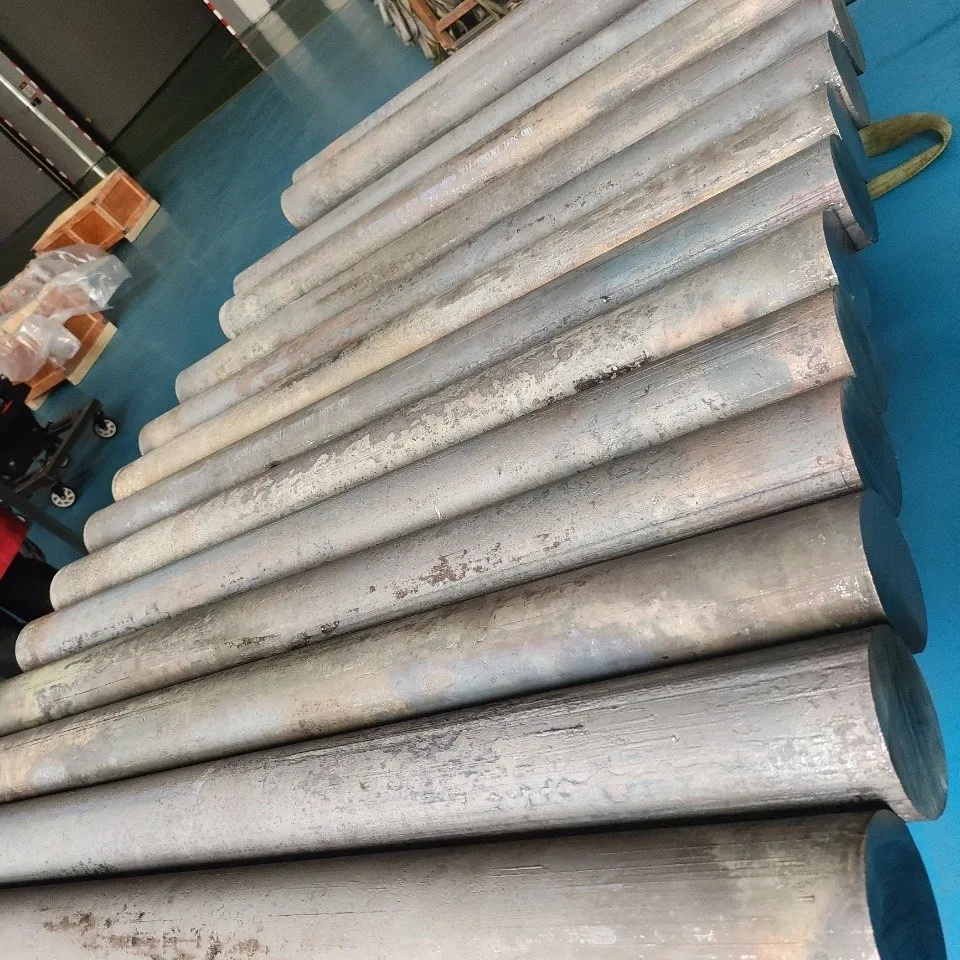
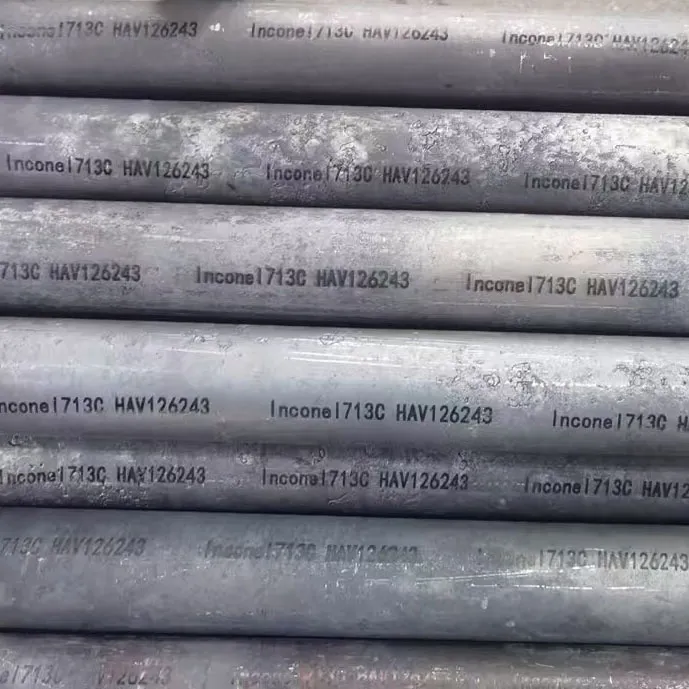
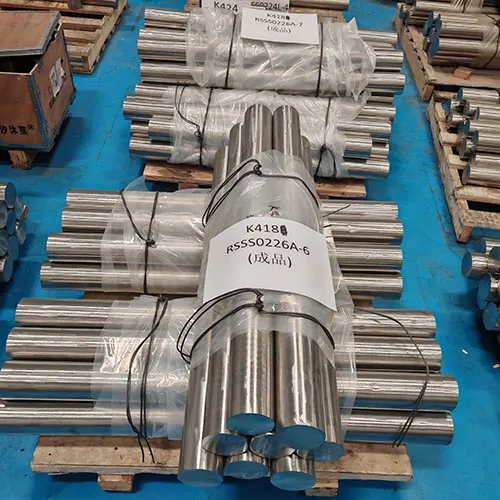
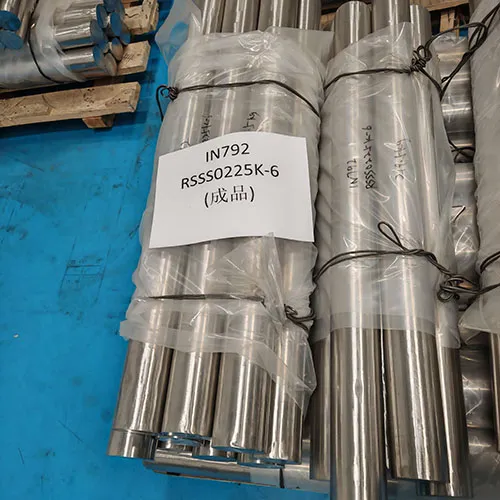
Our current lineup of nickel-based alloys includes the highly popular IN713C. A wrought nickel-based alloy, IN713C has exceptional high-temperature strength and resistance to oxidation. Like all nickel-based castings, Inconel 713C offers exceptional thermal operating ranges and forming capabilities. Our current list of available nickel-based alloys includes:
Gas Turbine - Classic Grade
| Grade | Ni | Cr | Co | W | Mo | Al | Ti | Ta | C | B | Zr | Fe | P | S | Nb | V | Ce | Si | Mn |
| In939 | bal. | 22.00~22.80 | 18.5~19.5 | 1.80~2.20 | - | 1.80~2.001 | 3.60~3.80 | 1.30~1.50 | 0.13~0.17 | 0.004~0.014 | 0.05~0.14 | ≤0.5 | <0.005 | <0.005 | 0.90~1.10 | - | - | <0.20 | <0.20 |
| In738LC | bal. | 15.5-16.5 | 8.5-9.5 | 2.6-3.3 | 1.5-2.1 | 3.2-3.7 | 3.4-3.8 | 1.4-2.0 | 0.02-0.06 | 0.005-0.01 | ≤0.05 | ≤0.5 | - | - | - | - | - | - | - |
| In792 | bal. | 12.0–16.0 | 8.50–9.5 | 3.85–4.50 | 1.65–2.15 | 3.15–3.60 | 3.75–4.20 | 3.85–4.50 | 0.06–0.10 | 0.010–0.020 | 0.01–0.05 | ≤0.5 | ≤0.015 | ≤0.015 | 0.5 | - | - | <0.20 | <0.15 |
| K424 | bal. | 8.5-10.5 | 12.0-15.0 | 1.00-1.80 | 2.7-3.4 | 5.00-5.70 | 4.2-4.7 | - | 0.14-0.20 | ≤0.015 | ≤0.020 | ≤2.00 | ≤0.015 | ≤0.015 | 0.5-1.0 | 0.50-1.00 | ≤0.020 | ≤0.40 | ≤0.40 |
| K438 | bal. | 15.7-16.3 | 8.0-9.0 | 2.4-2.8 | 1.5-2.0 | 3.2-3.7 | 3.0-3.5 | 1.5-2.0 | 0.10-0.20 | 0.005-0.015 | 0.05-0.15 | ≤0.5 | - | - | - | - | - | - | - |
Aerospace - Classic Grade
|
Grade |
C |
Cr |
Ni |
Co |
W |
Mo |
Al |
Ti |
Fe |
Nb |
Ta |
V |
B |
Zr |
Ce |
Si |
Mn |
P |
S |
Cu |
|
IN713C |
0.08-0.20 |
12.00-14.00 |
bal. |
≤1.00 |
- |
3.80-5.20 |
5.50-6.50 |
0.50-1.00 |
≤0.50 |
1.80-2.80 |
≤0.15 |
- |
0.005-0.015 |
0.05-0.15 |
≤0.50 |
≤0.25 |
≤0.015 |
≤0.015 |
≤0.50 |
|
|
K477 |
0.05-0.09 |
14.00-15.25 |
bal. |
14.00-16.00 |
- |
3.90-4.50 |
4.00-4.60 |
3.00-3.70 |
≤0.50 |
- |
- |
0.012-0.020 |
≤0.040 |
≤0.20 |
≤0.15 |
≤0.015 |
≤0.010 |
- |
- |
|
|
K403 |
0.11-0.18 |
10.00-12.00 |
bal. |
4.50-6.00 |
4.80-5.50 |
3.80-4.50 |
5.30-5.90 |
2.30-2.90 |
≤0.50 |
- |
- |
0.012-0.022 |
0.030-0.080 |
≤0.010 |
≤0.20 |
≤0.20 |
0.020 |
≤0.010 |
- |
|
|
K417 |
0.13-0.22 |
8.50-9.50 |
bal. |
14.00-16.00 |
- |
2.50-3.50 |
4.80-5.70 |
4.50-5.00 |
≤1.00 |
- |
- |
0.60-0.90 |
0.012-0.022 |
0.050-0.090 |
≤0.20 |
≤0.20 |
0.015 |
≤0.010 |
- |
|
|
K465 |
0.13-0.20 |
8.00-9.50 |
bal. |
9.00-10.50 |
9.50-11.00 |
1.20-2.40 |
5.10-6.00 |
2.00-2.90 |
≤0.50 |
0.80-1.20 |
- |
≤0.10 |
≤0.035 |
≤0.040 |
≤0.02 |
≤0.20 |
≤0.20 |
≤0.010 |
≤0.005 |
|
Turbocharger - Classic Grades
|
Grade |
C |
Cr |
Ni |
Co |
W |
Mo |
Al |
Ti |
Fe |
Nb |
B |
Zr |
Si |
Mn |
P |
S |
Cu |
|
K213 |
≤0.10 |
14.00-16.00 |
34.00-38.00 |
- |
4.00-7.00 |
- |
- |
1.50-2.00 |
3.00-4.00 |
bal. |
- |
0.050-0.100 |
- |
≤0.50 |
≤0.50 |
≤0.015 |
≤0.015 |
|
K418 |
0.08-0.16 |
11.50-13.50 |
bal. |
- |
- |
3.80-4.80 |
5.50-6.40 |
0.50-1.00 |
≤1.00 |
1.80-2.50 |
0.008-0.020 |
0.060-0.150 |
≤0.50 |
≤0.50 |
≤0.015 |
≤0.010 |
- |
|
K418B |
0.03-0.07 |
11.00-13.00 |
bal. |
≤1.00 |
- |
3.80-5.20 |
5.50-6.50 |
0.40-1.00 |
≤0.50 |
1.50-2.50 |
0.005-0.015 |
0.050-0.150 |
≤0.50 |
≤0.25 |
≤0.015 |
≤0.015 |
≤0.50 |
|
Product Form |
Diameter Range |
Length Range |
Weight Range |
Condition |
|
Master Alloy Bars |
10mm – 120mm |
100mm – 2,000mm |
Up to 200 kg |
As-cast, ground, or peeled |
|
Master Alloy Ingots |
Custom sizes |
Custom lengths |
5kg – 500kg |
As-cast |
We de-risk your supply chain through 100% inspection at our co-owned facilities, ensuring every casting meets Tier-1 aerospace and energy standards.
|
Inspection Method |
Purpose for Superalloys |
Standard Compliance |
|
Digital Radiography (X-Ray) |
Detects internal microporosity and inclusions. |
ASTM E2104 / AS9100 |
|
Fluorescent Penetrant (FPI) |
Identifies surface-breaking cracks and porosity. |
ASTM E1417 / Level I & II |
|
Ultrasonic Testing (UT) |
Verifies internal density and wall thickness. |
ASTM A388 |
|
Spectrographic Analysis |
Confirms exact chemical/alloy composition per melt. |
NIST Traceable |
|
CMM Dimensional Audit |
Ensures tight tolerances on complex geometries. |
ISO 8062 / CT5-CT7 |
At Shiney Steel, we utilize advanced Vacuum Induction Melting (VIM) and precision vacuum casting technologies to produce high-purity nickel-based superalloy master alloys. Our vacuum melting and casting capabilities are purpose-built for the aerospace, gas turbine, power generation, turbocharger, and investment casting industries – delivering reliable quality, batch-to-batch consistency, and superior metallurgical cleanliness.
Why Vacuum Casting?
Vacuum casting is a highly specialized process essential for manufacturing high-performance nickel-based superalloys. By melting and pouring under high-vacuum conditions, the process effectively eliminates contamination from oxygen, nitrogen, and hydrogen – preventing oxidation of reactive elements such as aluminum and titanium. The result is:
Superior metallurgical cleanliness– minimal non-metallic inclusions
Precise chemical composition control– tight elemental tolerances
Enhanced microstructural uniformity– consistent grain structure and γ′ precipitation
Improved mechanical properties– optimized creep, tensile, and fatigue performance
While nickel-based metal castings are used by dozens of different industries, they find their home in a handful of applications that utilize their heat resistance effectively. Bescast specializes in applied nickel-based castings for the aerospace and energy sectors. We design and engineer products and prototypes for clients that include nickel-based metal castings for the following components:
VIM + Vacuum Casting– Low inclusion content for superior casting quality
Tight Chemistry Control– Meeting AMS, ASTM, and customer specifications
Full Traceability– Complete documentation from melt to final inspection
Global Supply– Master alloy ingots shipped worldwide
Technical Support– Expert guidance on casting parameters and heat treatment


 86-18666626534
 8618666626534
 sales@shineycast.com
 English
 Русский язык