- Welcome to Hunan Shiney Steel Co., Ltd.


INCONEL 738LC (IN738LC) is a precipitation-strengthened nickel-based superalloy characterized by high aluminum and titanium contents and a substantial γ′-phase strengthening contribution. It is widely used in hot-section components of aerospace and industrial gas turbines. The metallurgical quality of IN738LC master alloy ingots is critical to the performance, reliability, and manufacturing yield of subsequent precision castings.
During vacuum induction melting (VIM), excessive pouring superheat can significantly affect the solidification behavior of IN738LC and lead to multiple interconnected metallurgical defects. This study investigates three typical defects observed in industrially produced IN738LC master alloy ingots: mold burn-on, surface oxidation, and centerline shrinkage porosity.
Based on the production of Φ80 mm round ingots using a water-cooled metallic mold, this study combines solidification heat-transfer theory, actual production observations, transverse macrostructural examination, and ProCAST solidification simulation to investigate the mechanisms responsible for these defects.
The results indicate that excessive pouring superheat increases the thermal energy of the molten alloy, delays the formation of a stable solidification shell, intensifies metal–mold interfacial reactions, and extends the lifetime of the central liquid region. These effects promote mold erosion and sticking, selective oxidation of reactive alloying elements, and premature closure of liquid feeding channels during solidification. Consequently, isolated liquid regions develop near the ingot center, resulting in concentrated macro-shrinkage porosity.
The study further establishes the coupled relationship between pouring superheat, interfacial heat transfer, solidification sequence, and feeding behavior. Process optimization strategies involving pouring temperature control, mold surface treatment, riser design, vacuum atmosphere management, and numerical simulation are discussed to improve the metallurgical quality and production stability of IN738LC master alloy ingots.
INCONEL 738LC (IN738LC) is a nickel-based cast superalloy strengthened primarily by the precipitation of γ′ phases. Its high aluminum and titanium contents contribute to its high-temperature mechanical properties and make it suitable for demanding applications in aerospace gas turbines and industrial gas turbine hot-section components.
The quality of the master alloy ingot is a fundamental factor affecting the subsequent precision casting process. Defects introduced during master alloy production can compromise chemical homogeneity, metallurgical cleanliness, and the reliability of downstream cast components.
Vacuum induction melting (VIM) is widely employed in the production of nickel-based superalloy master alloys because it enables controlled melting conditions and reduces contamination from atmospheric gases. However, the successful production of high-quality IN738LC ingots requires careful control of several interdependent process parameters, among which pouring temperature is particularly important.
IN738LC has a relatively wide solidification temperature range and contains highly reactive elements, including aluminum and titanium. Its melt fluidity is sensitive to superheat, while its solidification shrinkage makes effective liquid feeding essential.
Insufficient pouring superheat may cause cold shuts, incomplete mold filling, and other filling-related defects. Conversely, excessive pouring temperature can produce a more complicated series of metallurgical problems.
Industrial production observations indicate that excessive pouring superheat may cause:
Mold burn-on, metal sticking, and rough ingot surfaces.
Selective oxidation and visible colored oxide films on ingot surfaces.
Concentrated centerline macro-shrinkage porosity.
These defects are not necessarily independent. They can originate from the same thermal process deviation and interact through changes in mold–metal heat transfer and solidification behavior.
Although considerable research has been conducted on IN738LC single-crystal casting and additive manufacturing, the coupled formation mechanisms of multiple defects in VIM-produced master alloy ingots under excessive pouring temperatures deserve further investigation.
This study examines these mechanisms using actual production ingots, macrostructural observations, solidification theory, and ProCAST temperature-field simulation.
The investigated material was IN738LC nickel-based superalloy produced using vacuum induction melting.
The experimental production conditions were as follows:
| Parameter | Production condition |
|---|---|
| Alloy | IN738LC |
| Raw material | 100% virgin charge |
| Melting process | Vacuum induction melting (VIM) |
| Ingot geometry | Φ80 mm round ingot |
| Mold type | Tubular mold |
| Reported vacuum level | On the order of 10⁻⁶ Pa |
| Main process variable | Pouring superheat |
| Simulation software | ProCAST |
The pouring superheat was treated as the primary process variable for investigating its influence on ingot solidification and defect formation.
The investigation incorporated several complementary inspection and analysis methods:
Visual examination:Photographic documentation of ingot surfaces to identify mold burn-on, surface roughness, sticking, and colored oxidation patterns.
Transverse macrostructural examination:Low-magnification inspection of transverse ingot sections to identify and compare internal shrinkage defects.
Longitudinal macrostructural comparison:Examination of a nickel-based master alloy from the same alloy system to provide a comparative reference for longitudinal solidification characteristics.
ProCAST numerical simulation:Simulation of temperature-field evolution during solidification to investigate the development and persistence of liquid regions within the ingot.
The actual production samples included ingots exhibiting mold burn-on, colored surface oxidation, and centerline shrinkage cavities.
Three characteristic defects were identified during production inspection.
Mold burn-on and surface roughness
The ingot surface exhibited rough, irregular areas and sticking-related damage, indicating abnormal interaction between the molten alloy and the metallic mold.
Colored surface oxidation
Blue, purple, and brown oxidation patterns were observed on the ingot surface. These appearances were associated with selective oxidation of reactive alloying elements and differences in oxide-film characteristics.
Centerline shrinkage porosity
Transverse macrosections revealed concentrated cavities near the ingot center. Different samples exhibited variations in shrinkage cavity size, as observed in the low-magnification inspection images.
These observations provided the basis for analyzing the relationship between pouring superheat and the formation of interconnected casting defects.
Figure 1. IN738LC master alloy ingot showing mold burn-on and rough surface conditions.
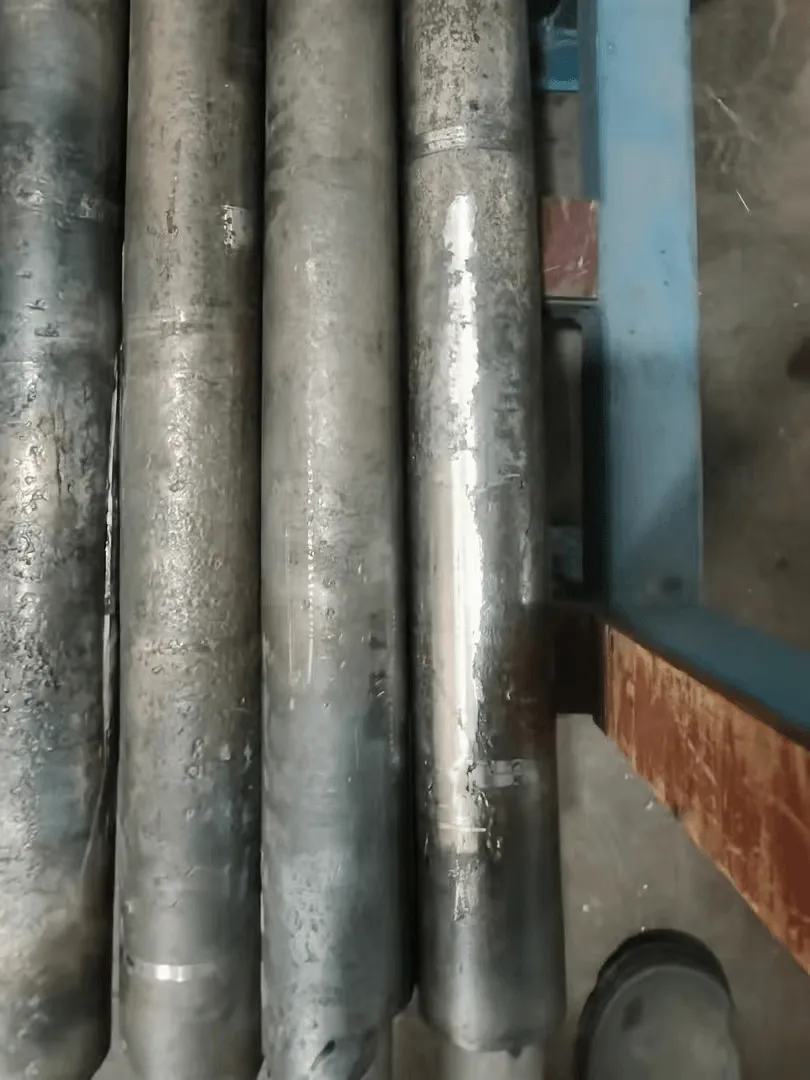
Figure 2. Colored oxide patterns observed on the surface of IN738LC ingots after high-temperature pouring.
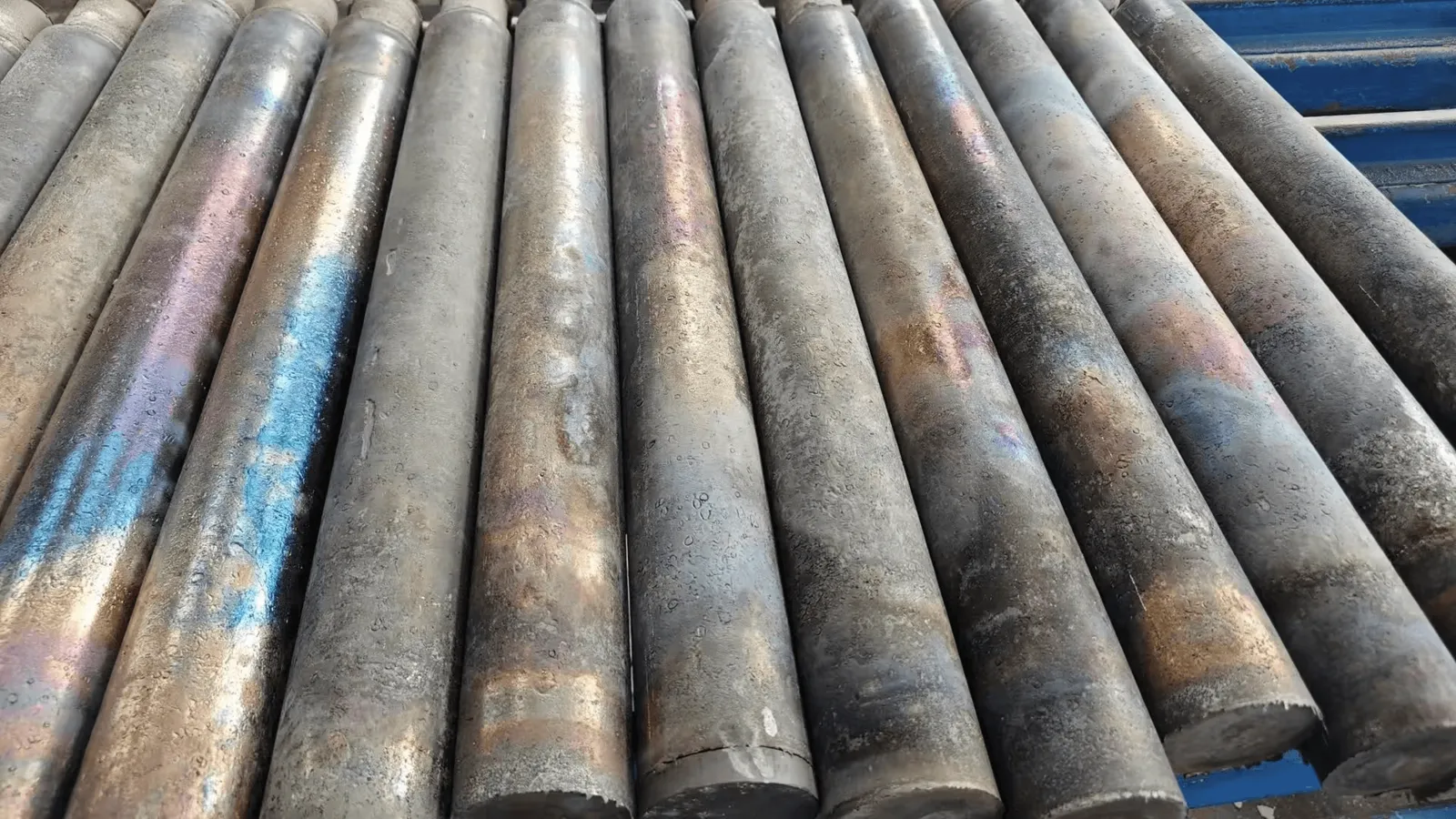
Figure 3. Centerline macro-shrinkage cavity observed on the ingot end surface.
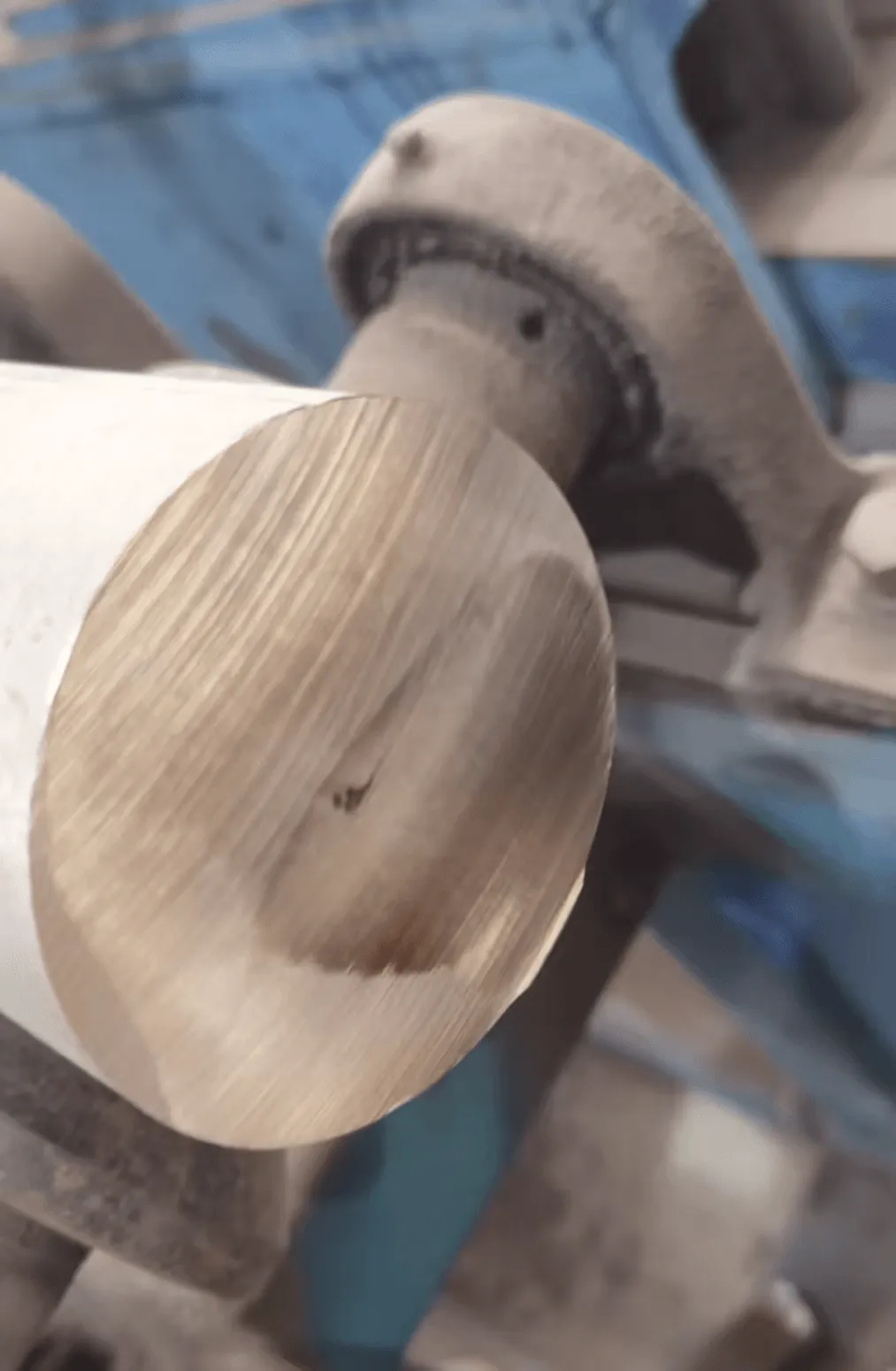
Figure 4. ProCAST simulation showing temperature-field evolution during IN738LC ingot solidification.
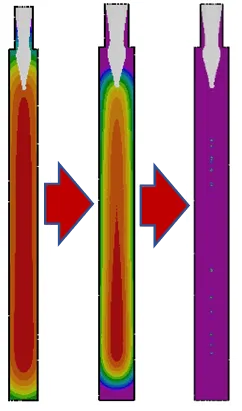
Figure 5. Transverse macrosections showing variations in centerline shrinkage cavity size.
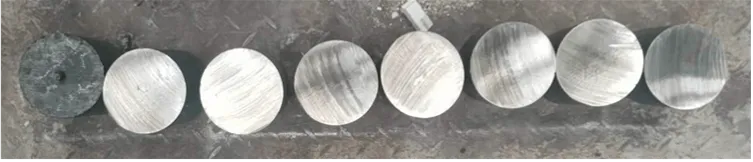
Figure 6. Longitudinal macrostructural comparison of nickel-based master alloys from the same alloy system.
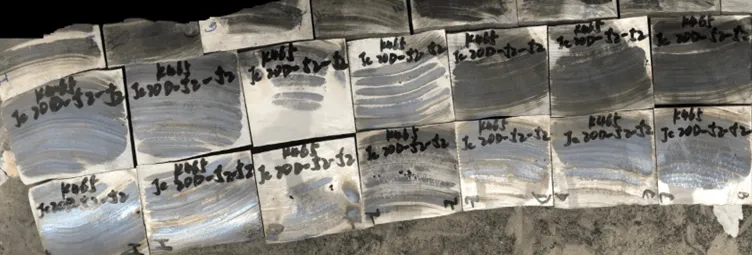
Metal solidification generally involves three stages of volumetric change:
Liquid contraction during cooling.
Solidification shrinkage during the liquid-to-solid transformation.
Solid-state contraction during subsequent cooling.
Because the density of the liquid phase is generally lower than that of the corresponding solid phase, volumetric contraction occurs during solidification. The resulting volume deficit must be compensated by liquid metal feeding. Otherwise, shrinkage cavities or porosity may develop in the last-to-solidify regions.
Under appropriately controlled pouring conditions, an ingot cast into a water-cooled metallic mold generally solidifies progressively from the mold wall toward the center.
The initial contact between molten metal and the cooled mold produces rapid nucleation and the formation of a continuous solidification shell.
This shell performs several important functions:
It separates the remaining liquid metal from direct contact with the mold wall.
It establishes a relatively stable metal–mold heat-transfer interface.
It supports the progressive development of the solidification front.
It helps maintain the feeding path between the remaining liquid region and the upper liquid metal reservoir.
As solidification proceeds, the central region becomes the final solidification zone. Effective liquid feeding must remain available to compensate for solidification shrinkage.
When pouring superheat becomes excessively high, the additional thermal energy carried by the molten alloy changes the original solidification process.
Three important changes may occur:
The initial solidification shell forms later and may remain thin or unstable.
The overall solidification time increases, extending the period during which the central region remains liquid.
High-temperature interfacial reactions become more significant, increasing the potential for oxidation and mold erosion.
These changes disturb the normal outside-to-inside solidification sequence and create conditions favorable for surface and internal defects.
Mold burn-on is primarily associated with the excessive thermal interaction between the molten alloy and the mold wall.
Under normal pouring conditions, the water-cooled mold rapidly extracts heat from the molten alloy. A continuous and relatively dense initial solidification shell forms at the metal–mold interface, separating the remaining liquid metal from direct mold contact.
When the pouring temperature is excessively high, however, the molten alloy carries significantly greater thermal energy.
Upon contacting the mold wall, the high-temperature melt rapidly heats the mold surface. Localized temperatures may rise sufficiently to cause partial remelting or disruption of the initially formed solidification shell.
As a result:
The initial solidification shell becomes unstable.
Portions of the shell may repeatedly remelt and break apart.
Molten alloy continues to wet and interact with the mold surface.
Metal may penetrate microscopic gaps or surface irregularities in the mold wall.
During subsequent cooling, the infiltrated metal can become mechanically or metallurgically attached to the mold surface.
When the ingot is removed, these bonded regions may tear or detach irregularly, leaving rough, uneven, or damaged surface areas.
Engineering implications
Mold burn-on is not simply a cosmetic surface defect.
It can produce several secondary effects:
Increased surface irregularity: Rough surfaces provide additional areas where oxide products and surface contaminants may accumulate.
Nonuniform interfacial heat transfer: Irregular gaps between the ingot and mold wall create variations in local heat-transfer conditions.
Asymmetric temperature distribution: Uneven interfacial cooling can disturb the solidification front and increase temperature-field nonuniformity.
Increased internal defect risk: Disturbed solidification conditions may further aggravate local segregation and shrinkage formation.
Therefore, controlling mold burn-on is important not only for ingot surface quality but also for maintaining stable solidification behavior.
IN738LC contains aluminum, titanium, chromium, and other alloying elements with significant chemical affinity for oxygen.
Although VIM is conducted under vacuum conditions, residual oxygen and water vapor may remain in the furnace environment. In addition, gases adsorbed on the mold surface may be released when exposed to high temperatures.
These residual sources of oxygen can participate in oxidation reactions during pouring and solidification.
Under relatively controlled pouring conditions, a thin oxide film may form on the molten metal surface and help limit further oxidation.
However, excessive pouring temperature can increase the severity of oxidation reactions.
The higher melt temperature accelerates chemical reaction and diffusion processes, while the longer high-temperature exposure increases the opportunity for reactive alloying elements to interact with residual oxygen.
Aluminum and titanium are particularly susceptible to selective oxidation, potentially forming:
Aluminum oxide (Al₂O₃).
Titanium oxide (TiO₂).
Chromium may also oxidize to form chromium oxide (Cr₂O₃).
Differences in oxide composition, thickness, and optical properties can produce thin-film interference effects, resulting in visible blue, purple, and brown coloration on the ingot surface.
These colored patterns are therefore indicators of abnormal high-temperature surface oxidation rather than merely variations in the natural metallic appearance.
Metallurgical implications
Surface oxidation can affect the quality of IN738LC master alloy ingots in several ways.
First, oxide films and oxide particles can reduce metallurgical cleanliness.
Second, oxide products may become entrained into the molten metal during pouring or subsequent melt movement, potentially forming nonmetallic inclusions.
Third, oxide inclusions can act as potential fatigue crack initiation sites in downstream components, depending on their size, distribution, and location.
For precision casting applications, the presence of such inclusions can increase the risk of inspection rejection and compromise component reliability.
Consequently, controlling oxidation during VIM pouring requires attention not only to furnace vacuum but also to residual moisture, mold outgassing, pouring temperature, and exposure conditions.
Centerline shrinkage porosity is the most significant internal defect identified in this investigation.
Its formation is closely related to the prolonged existence of the central liquid region and the premature loss of effective liquid feeding during solidification.
The mechanism can be understood through three successive stages.
Stage 1: Prolonged central liquid-phase lifetime
Excessive pouring superheat increases the thermal energy of the molten alloy.
Consequently, the overall solidification process is delayed, and the movement of the solidification front toward the center becomes slower.
Because the ingot center is naturally the last region to solidify under the intended outside-to-inside solidification sequence, it remains liquid for an extended period.
Stage 2: Dendritic network development and feeding-channel closure
As solidification progresses, dendrites develop within the remaining liquid metal.
The dendritic network gradually becomes interconnected, increasing the resistance to liquid metal flow.
If the feeding path becomes blocked before the central liquid region has completed solidification, the remaining liquid becomes isolated from the available liquid metal reservoir.
At this point, effective feeding can no longer compensate for the volumetric contraction associated with solidification.
Stage 3: Formation of centerline shrinkage cavities
The isolated liquid region continues to undergo solidification shrinkage.
Because additional liquid metal cannot enter the region to compensate for the volume deficit, a concentrated macro-shrinkage cavity develops near the ingot axis.
This defect appears as a central cavity during transverse low-magnification inspection.
ProCAST simulation and solidification behavior
The ProCAST temperature-field simulation provides a visual representation of the solidification sequence.
The simulated temperature-field evolution shows the high-temperature liquid region progressively cooling and transitioning toward the solid state.
The temperature-field images indicate that the liquid region persists within the ingot center for a relatively extended period under the investigated high-temperature pouring condition.
As solidification advances, the liquid feeding channels eventually close. Once this occurs, the remaining central liquid region can no longer receive sufficient liquid metal to compensate for shrinkage.
The resulting volume deficit is concentrated near the ingot center, corresponding to the macro-shrinkage cavities observed in the transverse inspection samples.
The simulation therefore provides qualitative support for the proposed shrinkage formation mechanism.
It should be noted that the available simulation results demonstrate temperature-field evolution rather than a quantified prediction of shrinkage volume or defect dimensions.
Mold burn-on, surface oxidation, and centerline shrinkage porosity should not be considered completely independent defects.
They are interconnected consequences of excessive pouring superheat.
The overall defect formation sequence can be summarized as follows:
Excessive pouring temperature
↓
Increased thermal energy of the molten alloy
↓
Three interconnected effects:
Delayed formation and repeated remelting of the initial solidification shell, resulting in mold burn-on and sticking.
Accelerated oxidation of reactive alloying elements, resulting in colored surface oxide films.
Prolonged central liquid-phase lifetime and disturbed solidification progression, resulting in premature feeding-channel closure.
↓
Formation of isolated central liquid regions
↓
Uncompensated solidification shrinkage
↓
Centerline macro-shrinkage porosity
The interaction between these defects further aggravates the overall metallurgical condition.
Mold burn-on changes the local metal–mold contact conditions, resulting in nonuniform interfacial heat transfer and a potentially asymmetric temperature field. This can intensify solidification nonuniformity and increase the severity or irregularity of shrinkage defects.
Meanwhile, oxide inclusions introduced into the ingot may act as heterogeneous nucleation sites and adversely affect microstructural uniformity.
The combined effects demonstrate why pouring temperature control must be treated as a comprehensive solidification-control measure rather than simply a parameter for ensuring adequate mold filling.
Based on the observed defect characteristics and the proposed formation mechanisms, several process optimization measures can be considered for IN738LC master alloy production.
Pouring superheat should be controlled within an appropriate process window to balance melt fluidity and solidification stability.
For the production conditions investigated in this study, the recommended pouring superheat is:
| Process parameter | Recommended control |
|---|---|
| Target pouring superheat | 30–50°C |
| Upper control limit | 70°C |
| Temperature monitoring | Continuous infrared temperature measurement |
The recommended range is intended to provide sufficient melt fluidity while avoiding excessive thermal loading of the mold and prolonged central solidification.
Pouring temperatures should be monitored continuously using infrared measurement equipment to reduce temperature fluctuations and prevent uncontrolled overheating.
The absolute pouring temperature should be determined according to the actual alloy composition, liquidus temperature, equipment conditions, and validated production procedure.
Appropriate mold preparation can help stabilize the metal–mold interface.
Uniform mold preheating can reduce excessive initial thermal gradients associated with the contact between molten metal and a very cold mold surface.
In addition, applying a suitable insulating or release coating to the mold wall can help:
Reduce direct wetting and interaction between molten alloy and the mold surface.
Minimize mold sticking and burn-on.
Improve the consistency of metal–mold interfacial conditions.
Reduce gas release from the mold surface when an appropriately selected coating and preparation process are used.
Coating composition and application procedures should be compatible with the alloy chemistry, vacuum melting environment, and required metallurgical cleanliness.
Effective feeding is essential for compensating for volumetric shrinkage during solidification.
Riser design should ensure that the liquid metal reservoir remains available until the ingot body has completed the required feeding process.
One proposed optimization is to appropriately increase riser height and extend its solidification time.
The objective is to maintain the riser as the last-to-solidify region and preserve an effective liquid feeding connection with the ingot body.
This approach can reduce the probability of isolated liquid regions forming before shrinkage compensation is complete.
Riser dimensions and feeding effectiveness should be evaluated together with the actual mold geometry and solidification conditions.
Although VIM provides a controlled vacuum melting environment, residual gases and moisture can still contribute to oxidation.
Therefore, vacuum management should include attention to both the melting process and the conditions immediately before pouring.
Recommended measures include:
Extending the vacuum holding period before pouring where appropriate.
Improving the removal of residual moisture and adsorbed gases.
Controlling the cleanliness and preparation of the mold.
Reducing potential oxygen sources during pouring.
Where compatible with the established melting procedure, high-purity argon partial-pressure protection may also be considered to reduce the oxidation potential during pouring.
Any atmosphere adjustment should be validated against the actual furnace configuration and alloy-processing requirements.
Numerical simulation provides an effective means of evaluating solidification behavior before conducting repeated industrial trials.
ProCAST can be used to investigate the effects of key process variables, including:
Pouring temperature and superheat.
Cooling rate and mold heat-transfer conditions.
Riser dimensions and feeding arrangements.
Liquid-region evolution during solidification.
By comparing simulated temperature-field evolution under different process conditions, engineers can identify potential hot spots, evaluate the persistence of central liquid regions, and assess the risk of premature feeding-channel closure.
Simulation-assisted process design can therefore help reduce trial-and-error costs and improve the consistency of IN738LC master alloy production.
However, numerical predictions should be validated against actual ingot inspections and production observations. Reliable quantitative defect prediction also requires appropriate material properties, boundary conditions, and feeding or porosity models.
The metallurgical quality of IN738LC master alloy ingots directly influences the reliability of downstream manufacturing processes.
For nickel-based superalloys used in high-temperature applications, internal porosity, oxide inclusions, and nonuniform solidification structures are particularly important because they may affect subsequent component performance.
The three defects discussed in this study have different implications.
| Defect | Primary formation mechanism | Potential downstream impact |
|---|---|---|
| Mold burn-on | Unstable initial shell and excessive metal–mold interaction | Surface contamination and irregular material condition |
| Surface oxidation | Selective oxidation of Al, Ti, and Cr | Oxide inclusions and reduced metallurgical cleanliness |
| Centerline shrinkage porosity | Isolated liquid region and insufficient feeding | Internal cavities and potential rejection during inspection |
Among these defects, centerline macro-shrinkage is especially important because it represents a substantial internal discontinuity that may not be identified through visual surface inspection alone.
Likewise, the presence of colored oxide films should not be evaluated solely according to their external appearance. The possibility of oxide entrainment and internal inclusion formation must also be considered.
For manufacturers supplying master alloys for precision casting, controlling the entire melting and solidification process is therefore essential.
A stable production process should integrate pouring temperature control, mold preparation, feeding-system design, atmosphere management, and systematic inspection.
Based on actual IN738LC master alloy production observations, transverse macrostructural examinations, solidification theory, and ProCAST temperature-field simulation, the following conclusions can be drawn:
1. Excessive pouring superheat is a major process factor associated with the formation of multiple defects in IN738LC VIM master alloy ingots.
The additional thermal energy disrupts the normal outside-to-inside solidification sequence, delays stable shell formation, and extends the lifetime of the central liquid region.
2. Mold burn-on results from unstable initial solidification and excessive metal–mold interaction.
Repeated remelting or disruption of the initial solidification shell allows molten alloy to continue interacting with the mold wall, potentially causing sticking, surface tearing, and rough ingot surfaces.
3. Colored surface oxidation is associated with the selective oxidation of reactive alloying elements.
At elevated temperatures, aluminum and titanium are particularly susceptible to oxidation, while chromium may also form oxide products. Differences in oxide-film characteristics produce visible colored interference patterns.
4. Centerline shrinkage porosity results from the loss of effective liquid feeding during the final stages of solidification.
The prolonged central liquid phase, combined with dendritic network development and premature feeding-channel closure, creates isolated liquid regions. Subsequent solidification shrinkage produces concentrated cavities near the ingot axis.
5. The three defects are interconnected through thermal and solidification effects.
Mold burn-on can disturb interfacial heat transfer and increase temperature-field nonuniformity, while oxide inclusions can adversely affect metallurgical cleanliness and microstructural uniformity. These effects may further aggravate the overall defect condition.
6. Coordinated process optimization is essential for stable IN738LC master alloy production.
Controlling pouring superheat, optimizing mold preheating and surface coatings, improving riser feeding, managing vacuum and atmosphere conditions, and applying ProCAST simulation are important measures for reducing defect risks and improving ingot quality.
For the production conditions investigated, a pouring superheat of 30–50°C is recommended, with an upper control limit of 70°C. These values should be validated against the actual production setup and alloy-processing requirements.
Ultimately, high-quality IN738LC master alloy production depends not on controlling a single parameter, but on maintaining a coordinated balance between melt temperature, interfacial heat transfer, oxidation behavior, and solidification feeding.


 86-18666626534
 8618666626534
 sales@shineycast.com
 English
 Русский язык